On this page +
In short
- Use a paper ticket or a supported transport IC card
- Keep your paper ticket until you leave at your destination
- Follow platform signs and let passengers get off before boarding
Before you ride
To ride a train, you can buy a paper ticket from a ticket machine or use a supported transport IC card. Check the fare and the route to your destination before you start.
IC-card and paper-ticket fares can differ. Check the fare for your route rather than assuming that one payment method is always cheaper.
How to buy a ticket
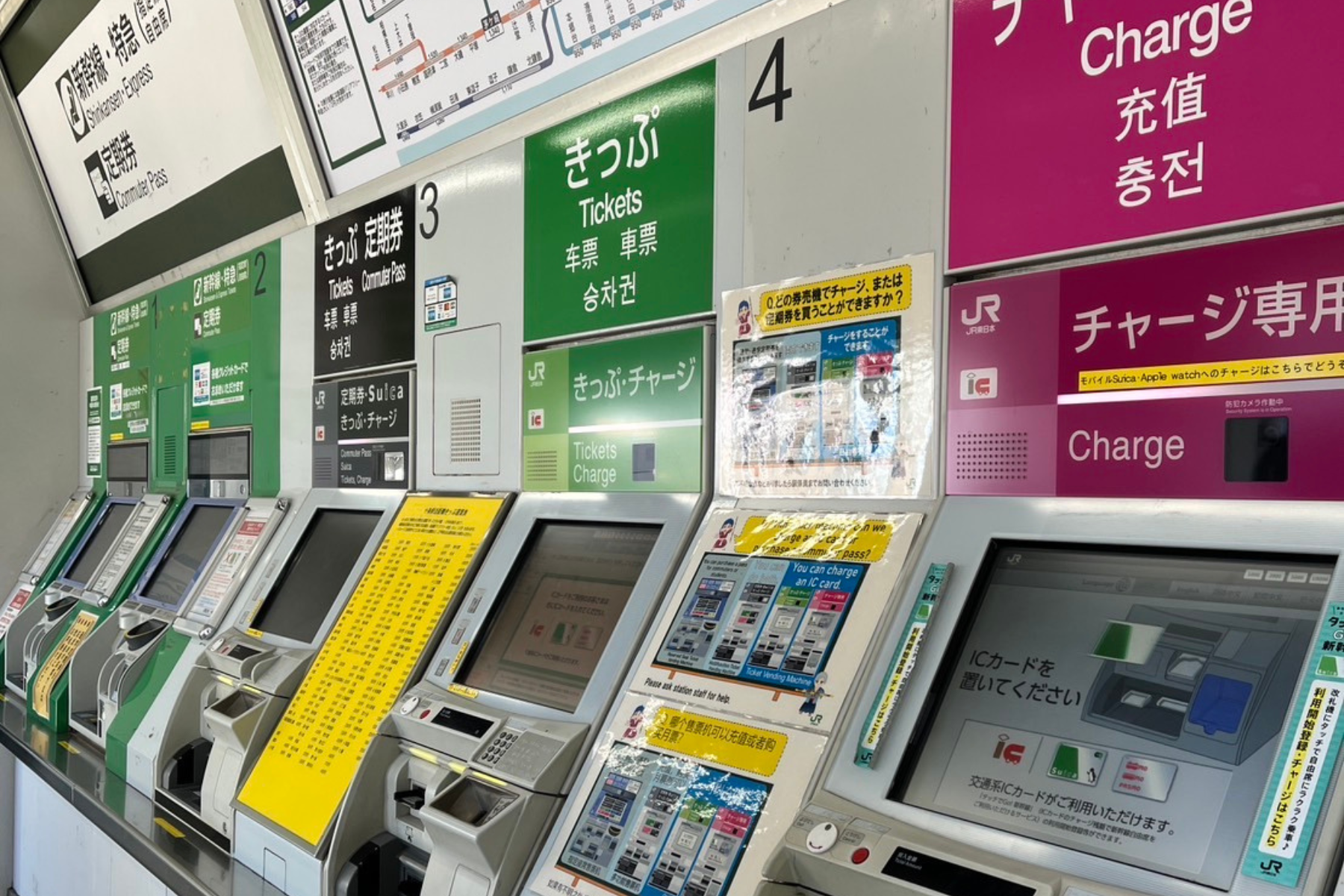
- Check the fare chart or select your destination on the ticket machine
- Choose a language you can read, where available
- Select the ticket or fare for your destination and pay
- Collect your ticket and any change before leaving the machine
How to get an IC card
A transport IC card such as Suica or PASMO can make supported train and bus journeys easier. Add stored value before travelling and tap the card at the gate.
These cards are accepted on many services and at participating shops, but coverage has limits. A stored-value IC card does not automatically cover every train, every journey between IC-card areas, or additional limited-express charges.
Availability and purchase locations can change. Check JR East’s official Suica information before you travel.
Pass through the ticket gate
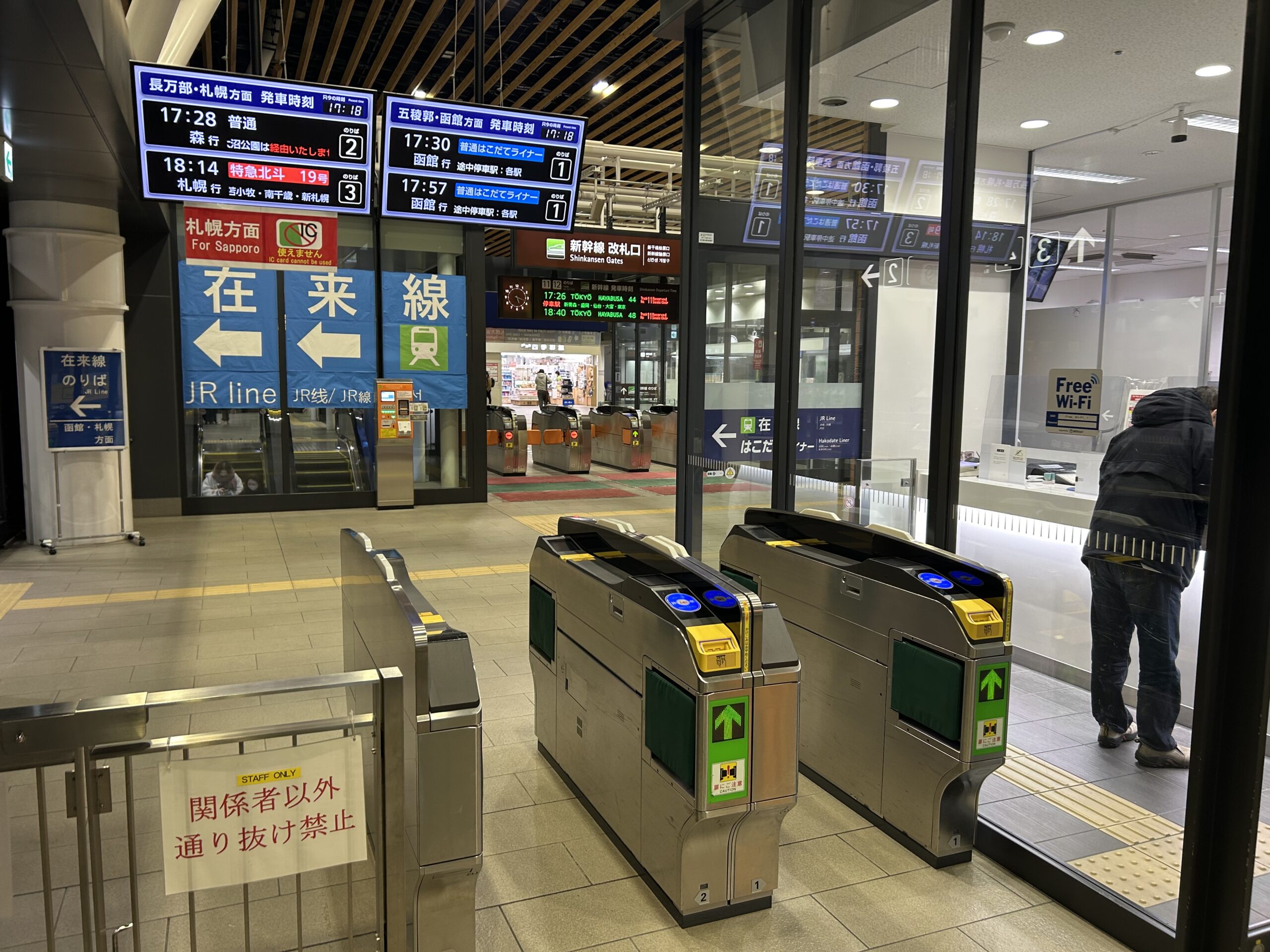
Choose a gate that accepts your payment method. With an IC card, tap the marked reader when entering and again when leaving at your destination.
With a paper ticket, insert it at the entry gate and collect it on the other side. Keep it for the exit gate; an ordinary single-journey ticket is normally collected when you leave at your destination.
If a gate closes or you are unsure which ticket to use, ask the station staff rather than trying to pass through.
Find the platform and board
- Check the destination, line and platform signs
- Wait in the marked queue on the platform
- Move to the side of the doors and let passengers get off first
- Board without blocking the doors and keep space for other passengers
Routes and transfers
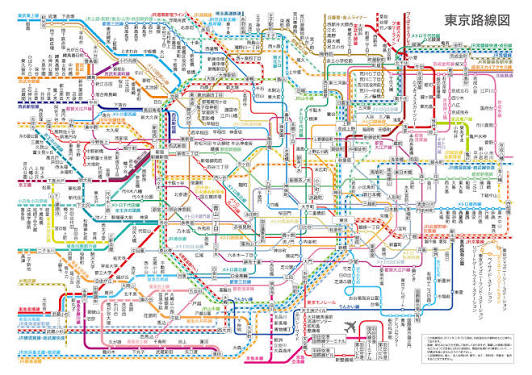
Tokyo’s railway network includes JR East, Tokyo Metro, Toei Subway and private railway companies. Check both the line and the destination when planning your journey.
Transfers vary by station and route. You may follow a connecting passage, use a transfer gate, or leave and re-enter through separate gates. Follow the transfer signs and ask staff if you are unsure.
Use the official Tokyo Metro subway map for subway routes. You can also search routes with Japan Transit Planner to compare journeys and fares.
Good to know
Before you go
Services, fares, timetables and luggage rules can change. Check the operator’s latest information before you travel.